Sub-Total: $0.00
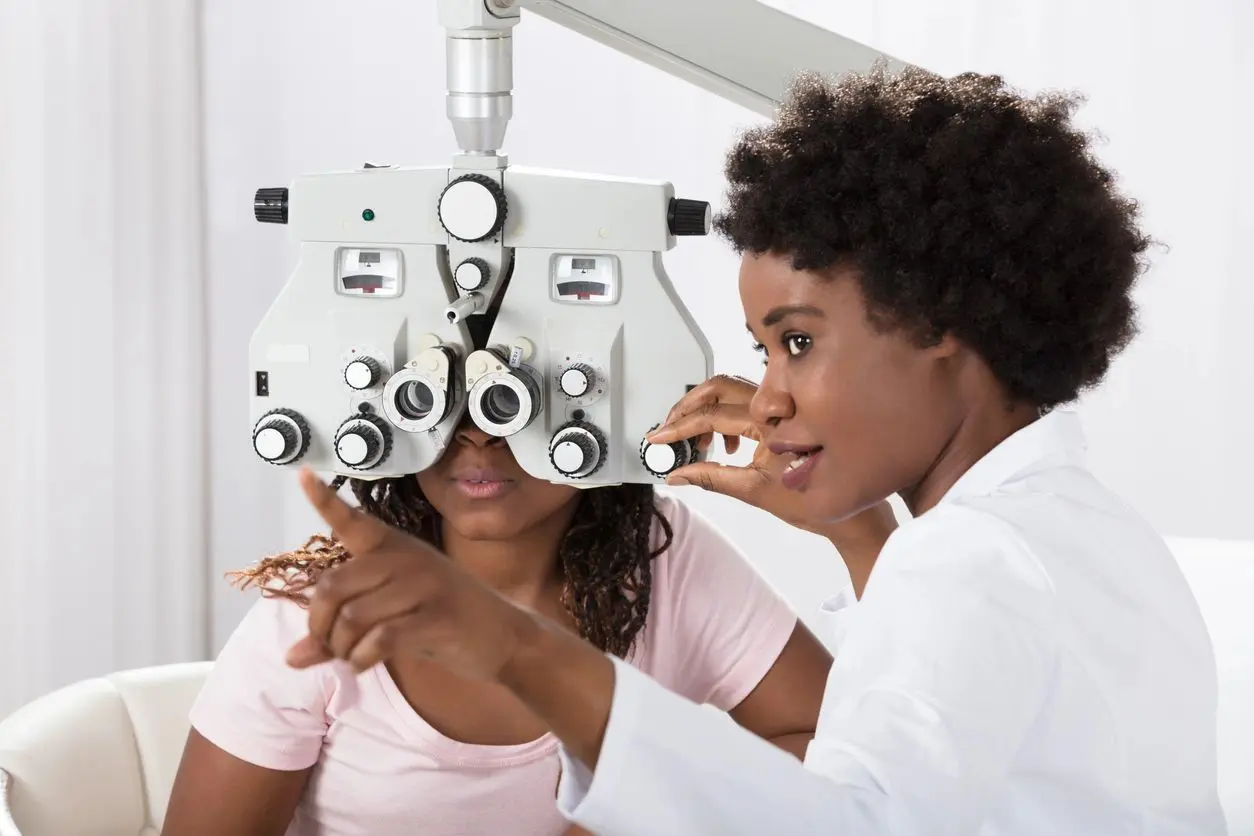
Contact Lens Exam vs. Glasses Exam: What’s the Difference?
When you book an eye exam, one of the first questions you’re asked is: Do you wear glasses, contacts, or both? Many people are surprised to learn that there’s a significant difference between a glasses exam and a contact lens exam. While they share some elements, each exam has its own unique steps, measurements, and purposes.
If you’re thinking about switching from glasses to contacts—or vice versa—it’s important to understand what each type of exam involves and why the distinction matters.
1. What Is a Glasses Exam?
A glasses exam, also called a comprehensive eye exam, checks your overall eye health and visual acuity (how clearly you see). This includes:
- Visual acuity testing (reading the eye chart)
- Refraction (to determine your eyeglass prescription)
- Eye health evaluation (screening for glaucoma, cataracts, etc.)
- Eye muscle and pupil testing
The prescription you receive is tailored for lenses worn about 12 mm away from your eyes. These lenses don’t need to conform to the shape of your eye.
📌 Key takeaway: A glasses exam evaluates your eye health and provides a prescription for lenses worn externally, in a frame.
2. What Is a Contact Lens Exam?
A contact lens exam includes everything in a glasses exam—but adds additional testing specific to wearing contacts safely and comfortably. These extra steps ensure the lenses will sit properly on your eye and provide clear, healthy vision.
Here’s what’s included:
✅ Corneal Measurements
Your eye doctor will use a tool called a keratometer or corneal topographer to measure the curvature of your cornea—the clear, dome-shaped surface of your eye. This helps determine the size and shape of the contact lens needed.
✅ Tear Film Evaluation
Contacts need a healthy tear film to stay comfortable. If you have dry eyes, your doctor may recommend special lenses or treatments first.
✅ Trial Lenses and Fitting
You’ll often be given a pair of trial contact lenses to test the fit, comfort, and vision. The doctor will observe how the lenses sit on your eye and how your eye responds to them.
✅ Follow-Up Visits
Fitting contact lenses is often a process. A follow-up visit is usually scheduled to monitor how your eyes are adjusting and whether the fit or prescription needs tweaking.
📌 Key takeaway: A contact lens exam is more detailed and personalized, focusing on the interaction between the lens and your eye surface.
3. Prescription Differences
Contact lens prescriptions are different from glasses prescriptions. They include:
- Base curve (to match your cornea’s shape)
- Diameter (lens size)
- Brand/type of lens (some are only approved for certain materials)
- Power (this may differ from your glasses prescription due to lens distance)
According to the FDA, using the wrong contact lens prescription or wearing lenses not properly fitted to your eye can increase the risk of eye infections, corneal damage, and vision loss (FDA, 2023).
4. Why Contact Lens Exams Cost More
Because they require more testing, fitting, trial lenses, and sometimes follow-up care, contact lens exams generally cost more than glasses exams. However, this added cost reflects the additional expertise and care required to ensure your eyes remain healthy while wearing lenses.
Many vision insurance plans treat contact lens exams as separate services and may only cover them partially—so be sure to check with your provider.
5. Can I Use My Glasses Prescription for Contacts?
No. Glasses and contact lens prescriptions are not interchangeable. Contact lenses require precise fitting and additional information not included in a glasses prescription. Attempting to use your glasses RX to buy contacts online can lead to poor vision, discomfort, or even eye injury.
Final Thoughts
Both glasses and contact lenses can offer excellent vision correction—but the exams required for each are not the same. If you’re thinking about trying contacts for the first time or returning to them after a break, schedule a comprehensive contact lens exam to ensure a proper fit and safe use.
And remember: whether you choose frames or lenses, regular eye exams are essential to protect your vision and overall eye health.
References
- American Optometric Association. (2023). Contact Lens Exams. Retrieved from https://www.aoa.org/healthy-eyes/corrective-lenses/contact-lenses
- U.S. Food and Drug Administration (FDA). (2023). What to Know About Contact Lenses. Retrieved from https://www.fda.gov/medical-devices/contact-lenses/what-know-about-contact-lenses