Sub-Total: $0.00
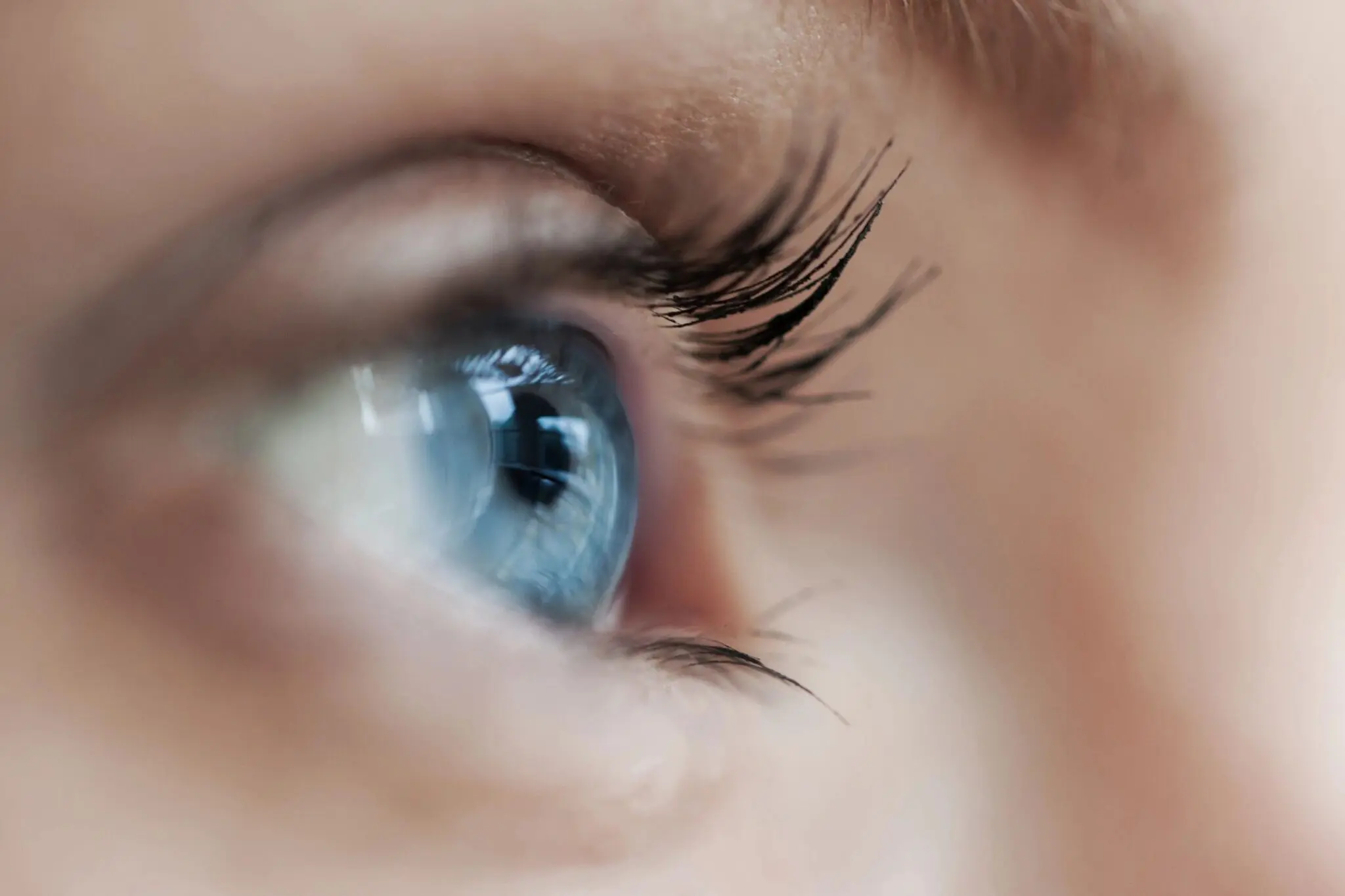
Understanding Detached Retinas: Causes, Symptoms, and Urgent Care
Your retina is a thin layer of tissue lining the back of your eye that plays a crucial role in vision by converting light into signals your brain can interpret. A retinal detachment happens when this delicate layer pulls away from its normal position, potentially causing serious vision loss if not treated promptly.
In this post, we’ll explore what a detached retina is, its causes, warning signs, and why immediate medical attention is essential.
👁️ What Is a Retinal Detachment?
A retinal detachment occurs when the retina separates from the underlying supportive tissue. This separation prevents the retina from functioning properly and can lead to permanent vision loss if not treated quickly.
🔍 Common Causes and Risk Factors
Several factors can increase your risk of retinal detachment:
- Aging: As you age, the vitreous gel inside the eye can shrink and pull on the retina.
- Severe nearsightedness (myopia): Longer eyeballs can stretch the retina thinner.
- Eye injuries or trauma
- Previous eye surgeries, such as cataract removal
- Family history of retinal detachment
- Diabetic retinopathy or other eye diseases
- Inflammatory disorders inside the eye
⚠️ Warning Signs of Retinal Detachment
If you experience any of these symptoms, seek emergency eye care immediately:
- Sudden appearance of floaters (tiny spots or cobweb-like shapes drifting in your vision)
- Flashes of light in one or both eyes
- A shadow or curtain appearing across part of your visual field
- Sudden decrease or loss of vision in one eye
- Blurred or distorted vision
Important: Retinal detachment is a medical emergency. Early treatment can often save your vision.
🩺 Diagnosis and Treatment
Diagnosis
Your eye doctor will perform a comprehensive eye exam including:
- Dilated fundus examination to view the retina
- Ultrasound imaging if the view is obscured by blood or cataracts
Treatment Options
Treatment aims to reattach the retina and may include:
- Laser surgery or cryopexy: Sealing retinal tears before detachment worsens
- Pneumatic retinopexy: Injecting a gas bubble into the eye to push the retina back
- Scleral buckle surgery: A silicone band placed around the eye to relieve traction
- Vitrectomy: Removing vitreous gel and repairing the retina internally
The choice depends on the severity and location of the detachment.
💡 How to Protect Your Eyes
While not all retinal detachments can be prevented, these tips can help lower your risk:
- Wear protective eyewear during sports or hazardous activities
- Manage chronic eye conditions with regular checkups
- Report sudden changes in vision promptly to your eye care professional
- Avoid high-impact activities if you have known retinal issues
Final Thoughts
A detached retina is a serious eye condition requiring immediate medical attention. If you notice flashes, floaters, or shadows in your vision, don’t wait—contact your eye doctor or emergency room right away.
Early intervention can mean the difference between saving and losing your sight.
References
- American Academy of Ophthalmology (AAO). (2023). Retinal Detachment. Retrieved from https://www.aao.org/eye-health/diseases/retinal-detachment
- National Eye Institute (NEI). (2023). Retinal Detachment. Retrieved from https://www.nei.nih.gov/learn-about-eye-health/eye-conditions-and-diseases/retinal-detachment
American Optometric Association (AOA). (2023). Retinal Detachment. Retrieved from https://www.aoa.org/healthy-eyes/eye-and-vision-conditions/retinal-detachment