Sub-Total: $0.00
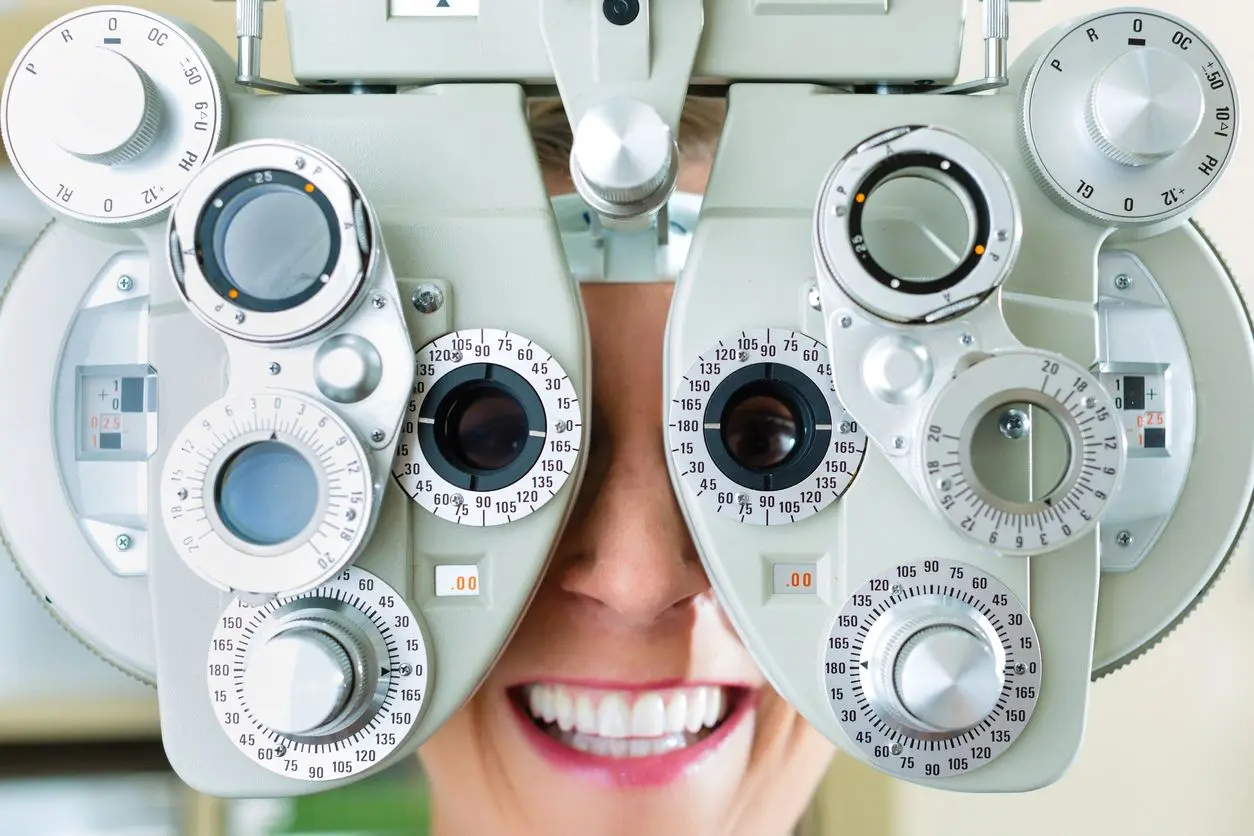
What to Do About Dry Eye: Relief, Treatment, and Prevention
If your eyes feel gritty, itchy, watery, or just plain tired, you might be dealing with something more than just screen fatigue. You could be one of the millions of people experiencing dry eye syndrome—a condition that occurs when your eyes don’t produce enough tears or when the tears evaporate too quickly.
Dry eye isn’t just uncomfortable—it can impact your daily life, vision quality, and long-term eye health. The good news? There are a variety of treatments available, from lifestyle tweaks to advanced clinical options.
Here’s what you should know—and what you can do—if dry eye is disrupting your life.
👁️ What Causes Dry Eye?
Dry eye syndrome can be triggered by a number of factors:
- Aging (especially common after age 50)
- Hormonal changes (especially in women during menopause)
- Screen time (reduced blinking while using digital devices)
- Contact lens wear
- Environmental conditions (wind, dry air, smoke, air conditioning)
- Certain medications (antihistamines, antidepressants, blood pressure meds)
- Medical conditions (diabetes, autoimmune diseases like Sjögren’s syndrome)
📌 According to the National Eye Institute (NEI), dry eye is one of the most common reasons people visit their eye doctor (NEI, 2023).
🚨 Symptoms of Dry Eye
Common signs include:
- Burning or stinging
- Scratchy or gritty sensation
- Eye redness or inflammation
- Excessive tearing (a reflex from dryness)
- Blurry vision, especially after reading or using screens
- Sensitivity to light
- Discomfort when wearing contact lenses
If these symptoms are persistent, it’s time to take action.
💧 At-Home Relief for Dry Eyes
Here are some effective first steps to relieve mild to moderate symptoms:
✅ 1. Use Artificial Tears
Over-the-counter lubricating eye drops (not redness relievers!) can provide temporary relief. Use preservative-free drops if you apply them more than 4 times a day.
✅ 2. Apply Warm Compresses
Gently heating your eyelids can help unclog oil glands and promote healthy tear production. Use a warm compress or a microwaveable eye mask for 5–10 minutes daily.
✅ 3. Blink More—Especially When Using Screens
Long screen sessions decrease blink rate. Try the 20-20-20 rule: Every 20 minutes, look at something 20 feet away for 20 seconds.
✅ 4. Stay Hydrated
Dehydration can reduce tear production. Drink plenty of water, especially if you consume caffeine or alcohol.
✅ 5. Use a Humidifier
Dry indoor air (from AC or heat) can worsen symptoms. A humidifier helps maintain moisture in your environment.
✅ 6. Adjust Your Diet
Foods rich in omega-3 fatty acids, such as salmon, flaxseed, and walnuts, may support tear quality.
👩⚕️ When to See an Eye Doctor
If your dry eye symptoms persist or worsen, it’s time to book a comprehensive eye exam. Your eye doctor can:
- Evaluate tear quantity and quality
- Check for inflammation or clogged glands
- Rule out underlying medical issues
- Customize a treatment plan based on your needs
🩺 Medical Treatments for Dry Eye
Your eye care provider may recommend:
💊 Prescription Eye Drops
- Cyclosporine (Restasis®) or Lifitegrast (Xiidra®) to reduce inflammation and increase tear production.
⚙️ Punctal Plugs
- Tiny plugs inserted into the tear ducts to slow drainage and retain moisture.
🌡️ In-office Therapies
- Meibomian gland expression to treat oil gland dysfunction.
- Intense Pulsed Light (IPL) therapy for inflammation and clogged glands.
- Thermal treatments like LipiFlow® to heat and massage glands.
⚠️ Treating Underlying Conditions
If dry eye is linked to a condition like blepharitis, rosacea, or Sjögren’s syndrome, those will need to be addressed as well.
👁️ Can You Wear Contacts with Dry Eyes?
Yes—but you’ll need the right type of lenses. Your doctor may recommend:
- Daily disposables to reduce buildup and irritation
- Moisture-rich lenses or silicone hydrogel lenses
- Using re-wetting drops throughout the day
Final Thoughts
Dry eye is more than just an annoyance—it’s a chronic condition that can affect your comfort, productivity, and vision. The good news? With the right combination of lifestyle changes, at-home care, and medical treatments, you can take control of dry eye and get back to seeing clearly and comfortably.
References
- National Eye Institute. (2023). Dry Eye. Retrieved from https://www.nei.nih.gov
- American Academy of Ophthalmology. (2023). Dry Eye Treatment. Retrieved from https://www.aao.org
- American Optometric Association. (2023). Dry Eye. Retrieved from https://www.aoa.org/healthy-eyes/eye-and-vision-conditions/dry-eye