Sub-Total: $0.00
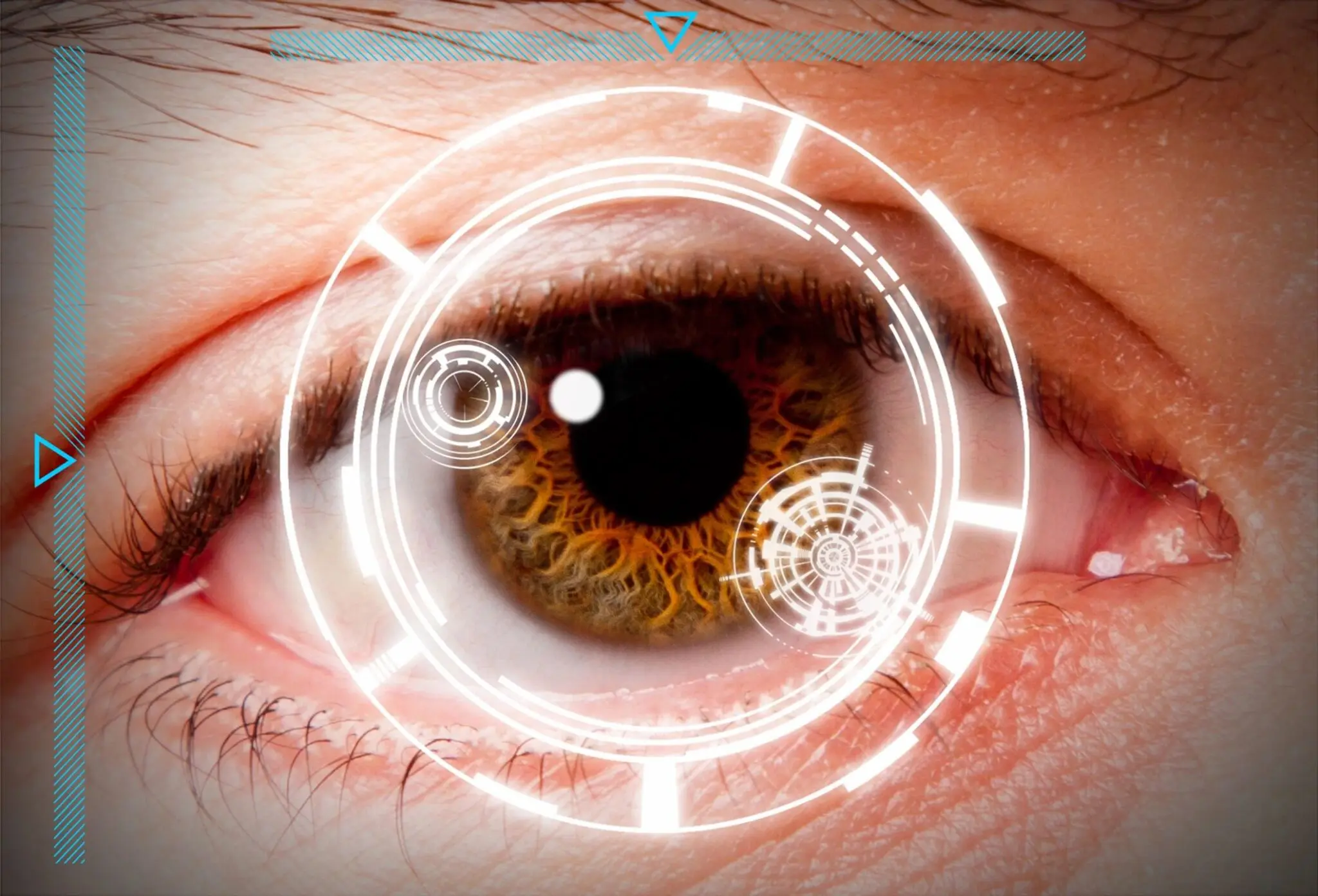
When Should You Schedule an Eye Exam?
We tend to take our eyesight for granted—until something goes wrong. But your eyes, like the rest of your body, need regular checkups to stay healthy. Whether you’re seeing perfectly or squinting to read your phone, knowing when to schedule an eye exam can make a big difference in protecting your vision for life.
Here’s a breakdown of how often you should get your eyes checked, based on your age, health, and lifestyle—and the signs that you shouldn’t wait.
🧒 Children: Building Healthy Vision Early
According to the American Optometric Association (AOA), vision problems can begin as early as infancy and often go unnoticed by parents or teachers (AOA, 2023).
🗓️ Recommended Schedule:
- 6–12 months: First comprehensive eye exam
- 3 years: Second eye exam
- Before first grade: Third exam
- Every 1–2 years after (unless otherwise advised)
Why it matters: Undiagnosed vision problems can interfere with learning, development, and behavior. Early detection can correct issues like amblyopia (lazy eye), strabismus (eye misalignment), or focusing problems before they become permanent.
🧑 Adults Under 40: Routine Monitoring
Even if you have perfect vision, regular exams help catch early signs of issues like dry eye, digital eye strain, or glaucoma—especially as screen time increases.
🗓️ Recommended Schedule:
- Every 2 years if you have no symptoms or risk factors
- Annually if you wear glasses or contacts, or have a family history of eye disease
Why it matters: Many eye conditions develop slowly and without obvious symptoms—until it’s too late.
👁️ Adults 40–64: Watch for Age-Related Changes
This is the time when presbyopia (difficulty focusing up close) begins, and the risk for other eye issues rises.
🗓️ Recommended Schedule:
- Every 1–2 years, depending on your vision and health
Why it matters: Conditions like cataracts, macular degeneration, and glaucoma start to become more common during this age. Regular eye exams can help detect them early and preserve your vision.
👵 65 and Older: Stay on Top of Vision Health
Vision naturally changes with age, but serious diseases become more prevalent. According to the CDC, one in six Americans aged 65+ has a visual impairment (CDC, 2022).
🗓️ Recommended Schedule:
- Annually, or more frequently if advised
Why it matters: Early detection and treatment can significantly delay or prevent age-related vision loss, keeping you independent and safe longer.
🩺 Special Cases: When to Book Sooner
You should schedule an eye exam immediately if you experience:
- Blurred or double vision
- Eye pain or pressure
- Flashes of light or floaters
- Sudden loss of vision
- Headaches tied to eye strain
- Difficulty reading or seeing at night
- Squinting, especially in children
Or if you have:
- Diabetes
- High blood pressure
- A family history of eye disease
- Occupational hazards (e.g., computer-heavy jobs, exposure to dust or chemicals)
- Contact lens use
📌 People with diabetes should have a dilated eye exam every year to check for diabetic retinopathy and other complications, per the American Diabetes Association (ADA, 2023).
Why Regular Eye Exams Matter
Eye exams aren’t just for updating your prescription—they’re a critical part of your overall health. In fact, a comprehensive eye exam can detect serious systemic conditions like:
- Diabetes
- High blood pressure
- High cholesterol
- Autoimmune diseases
- Certain cancers
Your eyes offer a unique window into your body, making early intervention possible not just for eye diseases, but for your whole-body wellness.
Final Thoughts
Even if your vision seems fine, don’t wait until you notice a problem to schedule an eye exam. Being proactive with your eye care can help preserve your sight, detect hidden health issues, and keep your quality of life sharp—literally and figuratively.
When was your last eye exam?
If it’s been more than a year, it might be time to give your eyes the care they deserve.
References
- American Optometric Association (AOA). (2023). Eye Exam Recommendations. Retrieved from https://www.aoa.org/healthy-eyes/eye-exam
- Centers for Disease Control and Prevention (CDC). (2022). Vision Health for Older Adults. Retrieved from https://www.cdc.gov/visionhealth/resources/features/older-adult-eye-health.html
American Diabetes Association (ADA). (2023). Eye Health & Diabetes. Retrieved from https://diabetes.org